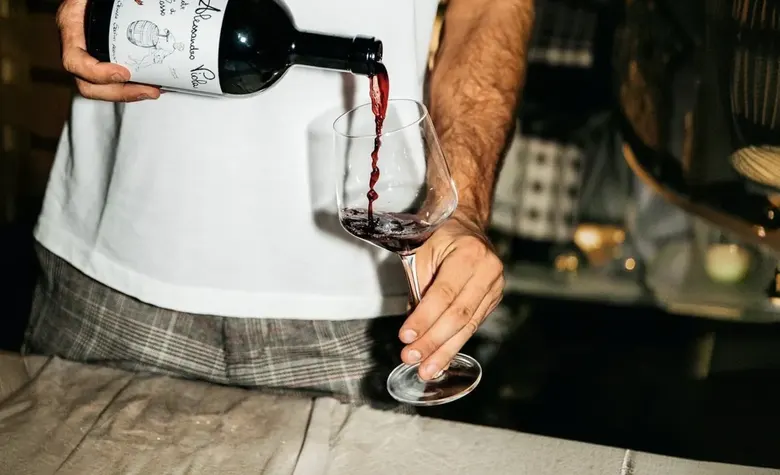
Is red wine good for you? An honest answer
What the research really says about red wine and your heart, resveratrol, cancer risk and how much counts as moderate. Plain answers, not medical advice.
 find my wine


Tips, stories, and the occasional strong opinion. No fancy talk, no rules. Just a little help choosing what to sip on next.
What the research really says about red wine and your heart, resveratrol, cancer risk and how much counts as moderate. Plain answers, not medical advice.
Wine gift ideas under $50 for everyone on your list, from the bubbles fan to the one who says they do not like wine, plus what to look for in the shop.
Five easy bottles that please a mixed office crowd, how many to buy for your headcount, where to save, and how to keep the party professional.
A bottle usually wins once your table wants about four glasses of the same wine. The quick math, the nights a glass is smarter, and how to order either.
Pecan pie is sweeter than any other pie on the table. The nutty, caramel wines that match it, lighter options, what to skip, and how much to buy.
Merlot tastes like ripe plum and black cherry with a soft, smooth finish. What to expect in the glass, how it compares to Cabernet, and how to buy one.
Amphora wine is fermented or aged in clay jars instead of oak or steel. What that does to the taste, the words to spot on a label, and when to order one.
Brut is dry, extra brut is drier, demi-sec is sweet. How to read a Champagne label, from the sweetness scale to NV, blanc de blancs and grower codes.
The second cheapest wine is not a trap. Where that tip came from, what restaurant pricing really looks like, and a better rule for the price column.
Sauvignon Blanc is dry, zesty and full of citrus and fresh herbs. What it tastes like, how New Zealand and France differ, and what to eat with it.
A 5 ounce glass of dry wine has roughly 110 to 130 calories. Where they come from, how style and pour size change the number, and a quick way to estimate.
Fridge full of turkey? How to chill wine fast with a cooler, a sink or the porch, which bottles need the cold, and a simple timeline for the day.
Off-dry Riesling and a light, chilled red cover the whole order. A dish-by-dish guide to General Tso's, lo mein, dumplings, fried rice and egg rolls.
Zinfandel and Primitivo are the same grape grown in two places. Here is how California and Puglia taste different, and which one is the better deal.
What wild (native) yeast and commercial yeast each do to a wine, how the two styles tend to taste, and how to spot a wild ferment on a label.
Chardonnay can taste lean and lemony or rich and buttery. Here is why, how to tell which style is in the bottle, and what to order if you like either.
Why dry sparkling wine suits turkey, stuffing and cranberry sauce, which bottles to buy from $10 up, how many per guest, and what to pour with pie.
Barolo and Barbaresco are both Nebbiolo from Piedmont. How they differ in taste, aging and price, and which one to order when you see both on a list.
Off-dry Riesling, Gewürztraminer and chilled light reds tame chili and cream. A dish-by-dish guide to tikka masala, vindaloo, biryani and tandoori.
Canned wine is good for picnics, pools and single glasses, less so for value. What a can costs per glass, which styles to buy and how to serve it.
Pinot Noir in plain words: the cherry and raspberry flavors, the silky light body, why prices swing so much, and how to order one you will like.
Who orders, what to spend on someone else's card, how to pick one bottle a whole table can share, and how to handle the tasting pour with clients watching.
Why winemakers age wine in oak barrels, where the vanilla and toast come from, what new and old oak do differently, and how to tell when oak goes too far.
How Black Friday wine deals really work (case discounts, loss leaders, closeouts), how to spot a fake markdown, and what to stock up on for the holidays.
Brunello and Chianti are both Sangiovese from Tuscany, but one costs far more. Here is what you get for the money and when the cheaper bottle wins.
Boxed wine is often better than its reputation. Here is why the bag keeps it fresh for weeks, which styles to buy and what to skip at the store.
Cabernet Sauvignon in plain words: the flavors, the dry grip on your tongue, what to eat with it, and how to spot a good one on a wine list at your price.
The wines that handle lime, cilantro and chile heat, matched to tacos, enchiladas, burritos and guacamole, plus how to pick from a short list.
What a gold sticker on a wine bottle really tells you, why the shelf is full of winners, and a quick rule for using medals at the store.
What letting wine breathe really does, which bottles gain from air and which lose, plus a two-glass test you can run at home tonight.
Riesling comes in every style from bone dry to dessert sweet. Here is how to read the label, alcohol level and region so you know what you are buying.
Low-stress wine orders for a first date: why glasses beat a bottle, crowd-pleasing picks, handling the price and the tasting pour, and what to skip.
The one red that handles a whole BBQ spread, plus picks for brisket, ribs, pulled pork and chicken, and why sweet sauce changes the wine you choose.
Decanting wine is simpler than it looks. Learn what to pour it into, how slowly, how long to wait, and which wines are better left in the bottle.
New Zealand and French Sauvignon Blanc compared in plain words: how Marlborough and Sancerre taste, what they cost, what to eat, and when to pick which.
A wine advent calendar is worth it as a tasting course, not a bargain. Here is the cost per pour math, what the mini bottles are like, and who it suits.
The one red that works with almost any burger, plus picks for cheeseburgers, bacon and BBQ, turkey, veggie, spicy and fish burgers, and what to order out.
Six pairs of plain words (light or heavy, dry or sweet, crisp or soft) that servers and shop staff understand, plus a fill-in-the-blank sentence to say.
What non-alcoholic wine really tastes like, which styles work best, what it costs, how to pick a decent bottle and how to order one at a restaurant.
Pinot Grigio and Pinot Gris are the same grape with two names and two styles. How each one tastes, which to pick for your meal, and how to order it.
How the 100 point wine rating system works, what a 92 actually means, why critics disagree, and when to trust the shelf tag over your own taste.
The best wines for spaghetti with marinara, meatballs, bolognese, garlic and oil, or carbonara, plus a cheap safe pick and what to order out.
Cuvée shows up on sparkling and still wine labels and means three different things. Here is what each one tells you, and what the word leaves out.
What Prosecco is, what it tastes like, how sweet it really is, why Extra Dry is sweeter than Brut, and how to pick a good bottle at a fair price.
The right white wine serving temperature for crisp and rich styles, why fridge-cold mutes the flavor, and how to warm or chill a bottle in minutes.
The safest wine to bring as a gift, roughly what to spend for each occasion, picks for red and white drinkers, and the bottles to skip.
The one bottle that works with almost any chicken dinner, plus better picks for roast, fried, grilled, creamy and spicy chicken when you want to match.
What Beaujolais Nouveau Day is, why a weeks-old French red gets a worldwide release party, what it tastes like, and whether it is worth buying.
Which wines naturally sit under 11 percent alcohol, how to spot them on a label or a restaurant list, and why some styles come out lighter than others.
Most red wine tastes best at 60 to 65 F, cooler than your living room. Get the fridge trick, a cheat sheet by style, and what to ask for at restaurants.
A plain guide to Sonoma County's wine regions: what Russian River, Dry Creek, Alexander Valley, Sonoma Coast and Carneros taste like on a label.
A simple formula for dinner party wine: how many bottles to buy, which three styles please a mixed table, where to spend, and how to serve it.
The three rules that matter for storing wine in a normal apartment: cool, dark and on its side. Plus where to put bottles and when a wine fridge helps.
House wine is usually a decent, well-priced glass, not a punishment. Here is what it really is, when it disappoints, and how to order it with confidence.
A plain guide to Mendoza Malbec: how it tastes, why it is such good value, how Lujan de Cuyo differs from the Uco Valley, and what to order with steak.
Blanc de blancs means "white from whites": sparkling wine made only from white grapes. What it tastes like, when to order it and what it costs.
Pinot Noir, Chardonnay and a few other safe bets for grilled, baked, seared, smoked and glazed salmon, plus why big tannic reds taste off with fish.
A simple chart of how long sparkling, white, red and fortified wine last after opening, plus the fridge habits that buy you an extra day or two.
What Crianza, Reserva and Gran Reserva mean on a Rioja label, how each one tastes, what it costs, and why Crianza is so often the smartest order.
What a corkage fee is, what restaurants usually charge to open your own bottle, when BYOB is worth it, and the etiquette that keeps everyone happy.
Pet-nat is a cloudy, gently fizzy wine that finishes fermenting in the bottle. How it is made, what it tastes like, how to open it and when to order one.
Dark, milk and white chocolate each want a different wine. Here is the one rule that makes pairings work, plus easy bottles to buy for each type.
Five ways to open a wine bottle without a corkscrew, ranked from most reliable to last resort, with safety notes and what to do with a pushed-in cork.
Organic, biodynamic and sustainable wine labels sound alike but promise different things. Here is what each one guarantees, and what it does not.
Crémant is French sparkling wine made the Champagne way, outside Champagne. Learn the regions, the taste, how to read a label and when to order it.
The wines that work with apple pie, from Moscato d'Asti to tawny port, plus picks for pie with ice cream, cheddar or crumble, and one rule to follow.
Pumpkin pie wants a sweet, nutty or honeyed wine. The bottles that work, the ones to skip, and what to do if only the dinner wine is left.
Potluck-friendly Friendsgiving wine ideas: a bubbly, a bright white, a juicy red and a rosé, plus how much to buy, a BYOB plan and no-alcohol options.
Which wine to pour with brisket, latkes, roast chicken and sufganiyot, plus a plain explanation of kosher and mevushal wine for Hanukkah 2026.
How restaurants price wine, why the cheapest bottle is often the worst deal, when a glass beats a bottle, and where the real value hides on a list.
What Willamette Valley Pinot Noir tastes like, the Oregon sub-areas worth knowing, fair prices, what to eat with it and how to order it with confidence.
The one rule for pairing wine with cheese, the single bottle that covers a mixed board, and easy matches for brie, cheddar, goat, blue and more.
Festive Thanksgiving wines under about $15, sorted by style instead of brand, plus where the real bargains hide and a shopping list for 8 to 12 guests.
Step-by-step instructions for opening wine with a waiter's corkscrew, plus winged and lever openers, screw caps, sparkling wine and broken corks.
What "traditional method" means on a sparkling wine label, how the bubbles get into the bottle, which wines use it, and when it is worth the extra money.
Off-dry riesling, dry rosé and bubbles cool chili heat. A dish-by-dish guide to pad thai, the curries, tom yum, larb and papaya salad, plus what to skip.
Pinot noir and dry riesling are the safe bets, but the best wine for turkey depends on the sauce and the cut. Picks for roast, smoked, deli and burgers.
Which Kirkland Signature wines beat their price, which name brands cost less at Costco, how to read the tags, and how the wine aisle works.
A short list of dependable Trader Joe's wines under $15, sorted by style, plus a simple way to check any bottle on the shelf against your own taste.
Chianti decoded: the sour cherry taste, what Classico and Riserva mean on the label, what to pay at a restaurant, and the food it loves most.
Body is how heavy a wine feels in your mouth. Learn what drives it, which grapes run light or full, and how to read it off a label or wine list.
Three bottles that handle turkey, stuffing, cranberry and gravy, plus how many to buy, what to pour for big-red fans, and easy serving tips.
Red Burgundy is Pinot Noir, white Burgundy is Chardonnay. Learn the quality ladder, five regions worth knowing and how to pick a first bottle.
What dry and sweet really mean in wine, why fruity is not sweet, how to spot sweetness on a label and in the glass, and how to ask for what you want.
How restaurant wine lists are organized, how to decode a line (producer, grape, vintage, price) and where the good value usually hides on the page.
Ice wine explained in plain words: how frozen grapes make it, why it costs so much, what it tastes like, where it comes from and how to serve it.
Which wines work with nigiri, sashimi, rich rolls and spicy tuna, which ones to skip, and when sake is the better call. Plain answers, no jargon.
The one red that works with any steak, then the better pick for ribeye, filet, strip, sirloin and skirt, plus what to order at a steakhouse on any budget.
Bordeaux wine in plain words: what is in the bottle, how Left Bank and Right Bank differ, what the labels mean, what to pay and how to order it.
Nobody knows for sure, but the usual suspects are alcohol, dehydration, histamine, tannins and sugar. What to try, and why sulfites get too much blame.
Noble rot is a fungus that shrivels grapes into the world's great sweet wines. What it is, how it tastes, where to find it and why it costs so much.
Tannin is what makes red wine feel dry and grippy in your mouth. Learn where it comes from, how to spot it, and how to order the level you like.
Napa and Sonoma compared on grapes, style, price and the visit, with a simple way to pick the region that fits what you actually like to drink.
Carbonic maceration explained in plain words: why some reds taste like bubblegum and fresh berries, how to spot one on a list, and how to serve it.
Orange wine is white wine made like a red, with the grape skins left in. Here is where the color comes from, what it tastes like, and how to order one.
Word for word phrases for talking to a sommelier: how to signal your budget, describe your taste without wine words, and get a good pick.
Dry, crisp, tannic, oaky, full-bodied: the wine words you actually hear, translated into plain English with everyday comparisons and phrases to use.
Which wine goes with Halloween candy? A plain guide to pairing sweet wines with candy corn, chocolate bars, peanut butter cups and sour candy.
Learn how to taste wine in four easy steps: look, smell, sip and decide. No fancy words, just a simple routine to help you find the wines you like.
A plain guide to Napa Valley wine: the main grapes, the price tiers, what a fair restaurant markup looks like, and how to pick from a wall of big Cabs.
A calm, step by step guide to ordering wine at a restaurant: set a budget, read the list, talk to the server and handle the tasting pour with ease.
Match the wine to the topping, not the crust. A simple cheat sheet for red sauce, white pies, pepperoni, margherita and more on your next pizza night.
nothing poured here yet.
Try another category or search.







Press Space to play
level 1 complete
sorted in 12 moves.