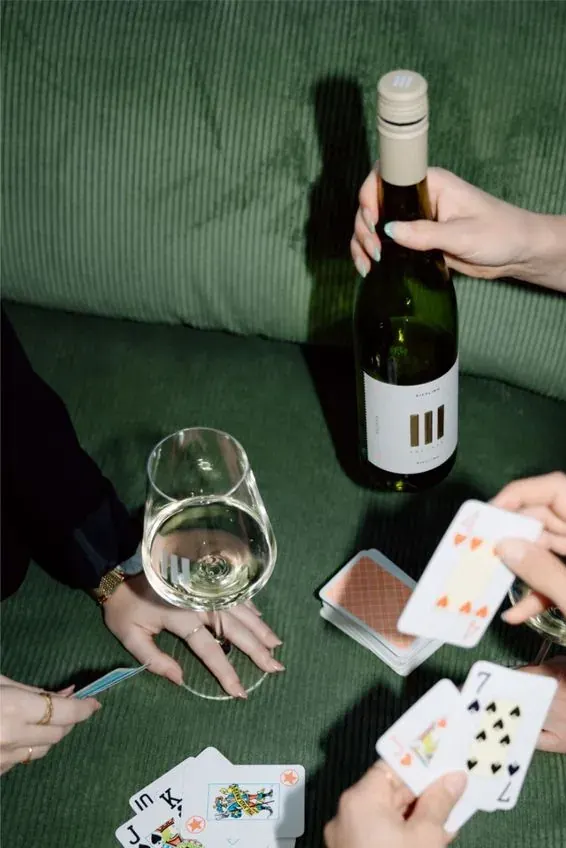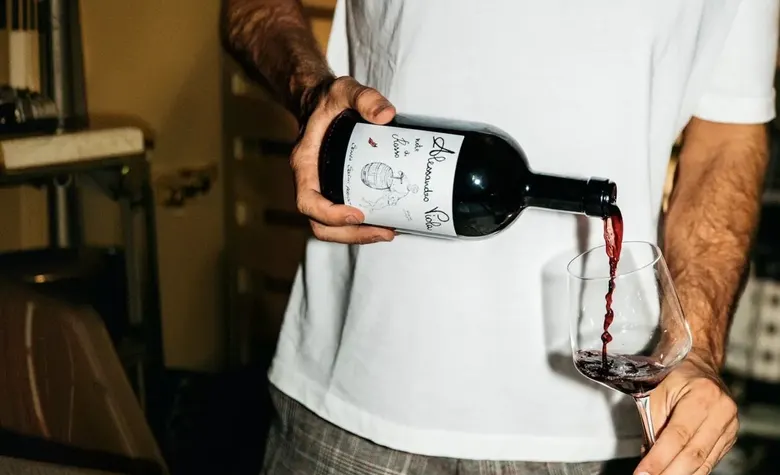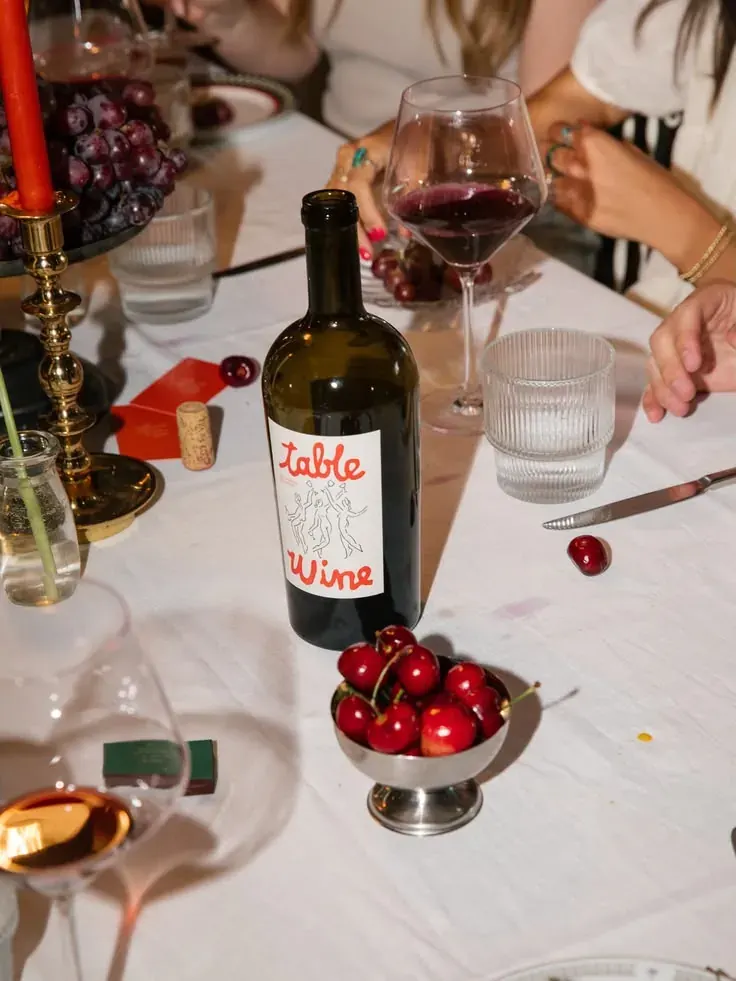
The safest wine for BBQ is a ripe, fruity red with soft tannin, like Zinfandel, Grenache or Malbec, served a little cooler than room temperature. It handles brisket, ribs, pulled pork and chicken without fighting the sauce, and you can find one at almost any store.
If you want to get more specific, the dish and the sauce change the pick. Sweet, sticky sauce wants fruit or a touch of sweetness in the glass. Dry rub and smoke can take something bigger. Vinegar sauce wants something bright. Here is how it breaks down, plus what to bring to a backyard cookout and what to order when the restaurant list is five bottles long.
why sweet sauce fights big red wine
Tannin is the drying, grippy feel you get from a big red, the same sensation as strong black tea. It comes mostly from grape skins and oak barrels. Tannin loves fat and salt (that is why Cabernet works with a steak), but it does not love sugar. Put a dry, tannic red next to a sweet, sticky sauce and the wine tastes harder, more bitter and thinner than it did on its own. The sauce wins and the wine loses.
So the trick with BBQ is to match the sauce, not just the meat. Sweet sauce wants a wine with ripe fruit, low tannin, or a little sweetness of its own. Smoky, spicy or vinegar heavy sauce wants fruit and freshness. It is the same logic as pairing wine with pizza: the topping matters, but the sauce sets the rules.
This also explains why a big Napa Cabernet is rarely the first pick at a cookout. It is a great wine for a thick steak or a dry rub brisket. Next to a glazed rib, it comes across tough and bitter. If you love those wines, our Napa Valley guide covers when they shine and what they cost.
the one bottle that covers the whole table
If you are bringing one wine to a BBQ, pick a red that is ripe, fruity and low in tannin, then put it in the cooler for 20 minutes before you pour.
- Zinfandel. The classic American BBQ red. Jammy dark fruit, a touch of spice and a soft texture. It stands up to smoke and does not mind a sweet glaze.
- Grenache (also sold as Garnacha). Juicy red fruit, lower tannin, a little pepper. Lighter than Zinfandel, so it works with chicken and pork as well as beef.
- Malbec. Dark, plush and smooth. Very easy to drink, and good with brisket and sausage.
Any of these three will cover a mixed plate. Zinfandel is the one most people recognize on a shelf, so it is the safe default if you are standing in the store with no idea what is on the menu.
dish by dish
Smoked brisket. Rich, fatty and smoky, often with a pepper heavy rub. This is where you can go bigger: Zinfandel, Syrah (called Shiraz in Australia) or Malbec. If the brisket comes with no sauce, a fuller red with more tannin is fine, because the fat softens it.
Pork ribs with sweet sauce. The glaze is the boss here. Zinfandel still works. Lambrusco, a lightly sparkling red from Italy that comes in dry and slightly sweet styles, is a fun match because the bubbles cut the stickiness. An off-dry rosé (off-dry means a touch of sweetness, not dessert sweet) is another good call.
Pulled pork. Smoke, fat and a tangy or sweet sauce all at once. Dry rosé is hard to beat. Beaujolais, a light and fruity red made from the Gamay grape, is another good one, especially chilled. Sparkling wine, dry or a little sweet, cuts through the richness.
BBQ chicken. Lighter meat, so lighter wine. Pinot Noir if you want red, dry rosé if it is hot out, off-dry Riesling if the sauce is sweet and sticky.
Smoked sausage. Spicy, salty and fatty. Zinfandel, Syrah or a chilled Beaujolais. If the sausage has real heat, a slightly sweet Riesling cools it down.
The sides. Mac and cheese wants freshness to cut the cheese: dry rosé, sparkling or a crisp white. Coleslaw is vinegar and sugar, which is tough on most reds and fine with rosé or Riesling. Cornbread goes with almost anything, and since it is a little sweet, ripe fruit beats tannin again.
white and rosé picks if you do not want red
Plenty of people do not want a red on a hot day, and BBQ is kind to that choice.
- Off-dry Riesling. A little sweetness and plenty of acidity. It handles sweet sauce and spicy heat better than any red. Look for "off-dry" or "medium" on the label. A lower alcohol level, often under 11 percent, is a hint that a Riesling is not bone dry.
- Dry rosé. Fruity enough to meet the sauce, fresh enough to cut the fat. It works with everything on the table, from chicken to pulled pork to the slaw.
- Chenin Blanc. A white with ripe fruit and bright acidity, made in both dry and slightly sweet styles. Great with pork and chicken.
Chardonnay can work with chicken and mac and cheese, especially a richer, oaky one, but it tends to get lost next to brisket.
how the sauce style shifts the pick
Regional BBQ styles differ a lot, and the sauce is the main reason. In general terms:
- Kansas City style. Thick, sweet, tomato and molasses based. Go for ripe fruit or a touch of sweetness: Zinfandel, Lambrusco, off-dry Riesling or rosé.
- Carolina style. Thinner and sharper, built on vinegar and sometimes mustard. Acid in the sauce needs acid in the wine, so pick something bright: dry rosé, Beaujolais, sparkling or a dry Riesling.
- Texas style. Dry rub, lots of pepper and smoke, little or no sauce. The fat and salt of the meat soften tannin, so bigger reds work: Syrah, Malbec, Zinfandel, even that Cabernet.
Memphis and other regional styles land somewhere in between. If you are not sure, taste the sauce. Sweet means fruit. Sharp means fresh. Smoke and salt mean you can go bigger.
serving wine outdoors
A few practical things make BBQ wine taste better.
- Chill your reds a little. Warm wine tastes flat and boozy. Twenty minutes in the cooler brings a red to a pleasant cool temperature without numbing the flavor.
- Use the cooler for everything. Pull bottles out as you need them. A bottle left in the sun warms up fast.
- Screw caps are fine. They are a closure, not a sign of quality, and nobody wants to hunt for a corkscrew next to a smoker.
- Boxed and canned wine are fine too. For a backyard with plastic cups, a box of decent red or a few cans of rosé is practical and stays fresh for days.
- Pour small and often. Wine warms in the glass, so top up rather than fill up.
what to order at a bbq restaurant
Most BBQ joints have a short wine list, sometimes four or five bottles, and that is fine. Scan for Zinfandel, Malbec, Syrah or Shiraz, Grenache, or a rosé. Any of those will handle the plate. Skip the Cabernet unless you ordered dry rub brisket. If the only white is Chardonnay, it will do with chicken. If there is a Riesling, grab it for the ribs.
Ordering by the glass is smart here, since the table usually has three different meats. If you want a plan for any restaurant, our guide to ordering wine at a restaurant covers budget, reading the list and the tasting pour. And if you would rather not guess at all, Green Glass reads the list and matches it to your taste.
questions people ask
What is the best wine for BBQ?
A ripe, fruity, low-tannin red such as Zinfandel, Grenache or Malbec is the best all-round wine for BBQ. Serve it slightly chilled and it will handle brisket, ribs, pulled pork and chicken.
Does red or white wine go better with BBQ?
Red is the usual pick because it stands up to smoke and meat, but an off-dry Riesling or a dry rosé works with almost everything on a BBQ table, especially when the sauce is sweet or the day is hot.
What wine goes with ribs?
Zinfandel is the classic match for pork ribs with sweet sauce. Lambrusco or an off-dry rosé also work, because a touch of fruit or sweetness in the wine keeps the sticky glaze from making it taste bitter.
What wine goes with brisket?
Smoked brisket pairs well with Zinfandel, Syrah or Shiraz, and Malbec. If the brisket has a dry rub and no sauce, a bigger red with more tannin, such as Cabernet Sauvignon, works too.
Should I chill red wine for a BBQ?
Yes, a little. Twenty minutes in a cooler brings a red down to a cool temperature that tastes fresher outdoors, especially fruity reds like Zinfandel, Grenache and Beaujolais.