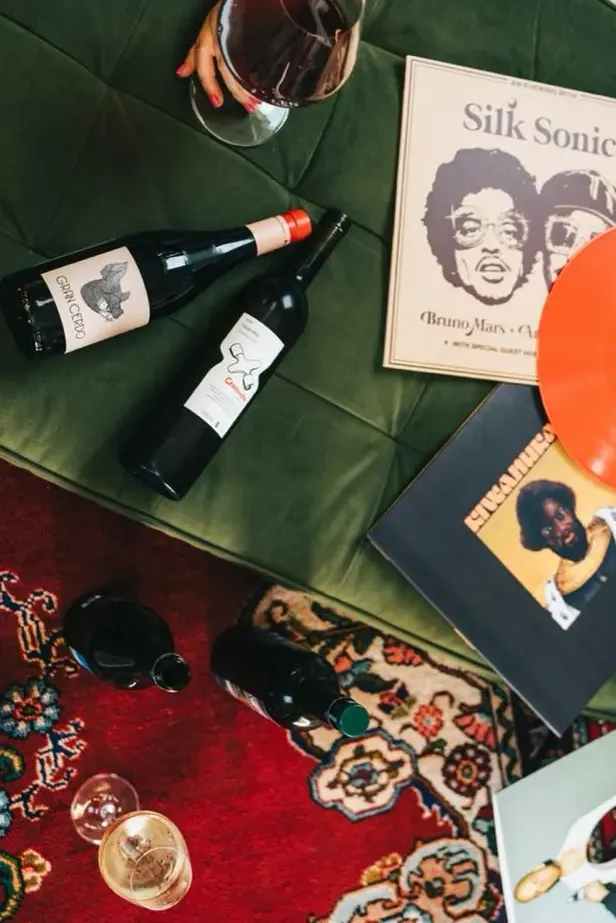
Restaurant wine costs so much because you are paying for everything around the bottle, not just the wine inside it. Most restaurants price a bottle at roughly two to three times what it would cost in a shop, sometimes more, and that multiple covers glassware, storage, staff, waste and a big share of the restaurant's profit.
That sounds steep, and on its own it is. But once you know how a wine list is built, you can see where the fair deals sit and order with a straight face. Here is how the pricing works and how to use it to your advantage.
what the price of a bottle actually covers
Restaurants buy wine at wholesale, which is cheaper than what you pay in a store. Then they add a markup, and that markup has to carry a lot more than the wine.
- Glassware. Good stems cost real money, they break constantly, and somebody has to polish every one of them before service.
- Storage. A wine list is cash sitting on a shelf. Bottles need space, steady temperature and a cellar or fridge that does not belong to anyone else.
- Staff. Someone chooses the wines, trains the servers, opens the bottle at your table, and replaces it without a fuss if it turns out to be corked (a wine spoiled by a faulty cork, which smells like wet cardboard).
- Waste. Bottles get sent back, half-finished open bottles go stale, and the occasional one gets dropped on the way to table nine.
- Margin. Food margins at many restaurants are thin. Drinks are often what keeps the place open, which means the wine is partly paying for the bread basket.
None of this makes the price feel smaller, but it does explain why a bottle you recognize from the grocery store shows up at a number that makes you blink. Everyone at every table is paying the same multiple.
why the cheapest bottle is often the biggest markup
Markups are rarely flat across a list. Many restaurants put the largest multiple on the cheapest bottles and a gentler one on the expensive bottles. The logic is simple. A bottle that costs the restaurant very little can be marked up heavily and still look cheap on the page, and the people who choose by price alone will order it anyway. A bottle that already costs the restaurant a lot cannot take the same multiple without a sticker price that scares the whole table.
So in relative terms, the bottom of the list is usually where you get the least wine for your money, and the middle is where the multiple tends to ease off. That does not mean the cheapest bottle is bad. It just means that moving up one or two price steps often buys you a noticeably better wine for a modest jump.
the second cheapest bottle trap, and why it is mostly a myth
You have probably heard this one. Restaurants know nobody wants to look cheap, so they expect people to skip the cheapest bottle and pick the second cheapest, and they stash their worst-value wine in that exact spot. It is a good story, and some places may well do it. But it is not a rule you can count on, and you cannot tell from your chair whether a given restaurant plays that game.
A better test ignores the price slot entirely. Look at what the second cheapest wine is. If it is a grape or region you like, from a producer the restaurant bothered to describe, it is probably fine. If it is a vague label with no detail, be more careful. Choose for the wine, not the slot.
by-the-glass math: when a glass beats a bottle
A common habit in the trade is to price a single glass at about what the whole bottle cost the restaurant wholesale. The first glass pays for the bottle, and every glass after that is profit. A standard pour is around five ounces, and a regular bottle holds roughly 25 ounces, so one bottle gives about five glasses.
That makes the math easy to do at the table. Multiply the glass price by five and compare it to the bottle price. If a glass is 14 dollars, five glasses come to 70, and the same wine as a bottle is very often listed for less than that. The rule of thumb that falls out of it:
- One or two glasses for the whole table: order by the glass.
- Two people who each want two glasses: the bottle usually wins, and you get to choose from the full list instead of the short glass list.
- A table that cannot agree on one wine: glasses, or a half bottle or carafe if the list offers them.
One more thing about glass pours. The bottle may have been open for a while. A good restaurant will tell you when it was opened and will happily pour you a small taste first. If the wine tastes flat or vinegary, say so politely and ask for something else. That is normal, not fussy.
where the value usually hides on a wine list
Because the markup is a multiple, the trick is to find wines that were cheap for the restaurant to buy but taste like more. Those are rarely the famous names. Some reliable places to look:
- Less famous regions. Wines from Portugal, southern France, less celebrated parts of Spain and Italy, Chile, Argentina and South Africa often cost the restaurant far less than the household names, so the same multiple lands on a smaller number.
- Less famous grapes. Names you may not recognize, like Grüner Veltliner (a crisp Austrian white), Gamay (a light, juicy red) or Cabernet Franc (a leaner cousin of Cabernet Sauvignon), tend to be priced for what they are rather than for their reputation.
- The middle of the list. This is where the per-bottle markup usually relaxes and where the person who built the list often put the wines they are proudest of.
- House picks and staff favorites. When a list has a "we're pouring" or "sommelier's choice" section, those wines were usually chosen because they taste expensive and were not. They also move fast, so they are fresh.
- Anything the restaurant describes in detail. A line about the producer or the village usually means someone cared about that bottle.
The flip side is prestige. Famous regions carry a premium before the restaurant ever touches them, so a Napa Cabernet or a Champagne gets the restaurant multiple stacked on top of a reputation multiple. That can still be worth it on a special night, and our guide to Napa Valley wine covers what you should expect to pay. Just know that you are buying the name as well as the wine.
how to use all this without feeling cheap
Knowing the markup is one thing. Using it at the table without looking like you are counting pennies is another. A few moves that work:
- Point at a price, not at the cheapest line. Tap a bottle in the range you are comfortable with and say "something like this." The server now knows your budget and nobody at the table heard a number.
- Ask what is drinking well right now. Staff usually know which bottles are the quiet bargains, and they like being asked.
- Name a style, not a brand. "Something dry and crisp" or "a medium red that will not fight the fish" gets you a better pick than guessing at labels.
- Taste before you commit. When the bottle arrives, the small pour is your chance to check it is in good shape. If you are not sure what you are checking for, our beginner's guide to tasting wine walks through it in a minute.
If the whole ritual still makes you nervous, our post on how to order wine at a restaurant covers the conversation step by step. And if you would rather skip the detective work, Green Glass reads the list for you and points to the bottle that fits your taste at a price that makes sense.
The short version: the markup is real, and the best value is almost never the most famous name or the cheapest line. Spend a step or two above the bottom, lean toward regions you have not heard of, and ask the person in front of you.
questions people ask
How much do restaurants mark up wine?
Most restaurants price a bottle at roughly two to three times its retail price, and sometimes more. Cheaper bottles usually carry the biggest multiple, while expensive bottles are often marked up less in relative terms.
Is wine by the glass a rip-off?
Not exactly. A glass is usually priced so that the first pour covers what the restaurant paid for the whole bottle, which is fair for one or two glasses. Once a table wants four or more glasses of the same wine, the bottle is almost always the better buy.
Is the second cheapest bottle really the worst value?
Not reliably. Some restaurants may put a high-margin wine in that slot, but many do not, and you cannot tell from the list. Judge a bottle by its grape, region and description rather than by its position on the page.
Why is the cheapest wine on the list marked up the most?
Because a bottle that costs the restaurant very little can take a large multiple and still look cheap on the page, and people who choose on price alone will order it anyway. Pricier bottles cannot take the same multiple without scaring the table.
Is it rude to order the cheapest bottle at a restaurant?
No. Ordering the cheapest bottle is completely normal and nobody on staff will judge you for it. If you want a better deal, though, the best value is usually one or two steps above the bottom of the list.