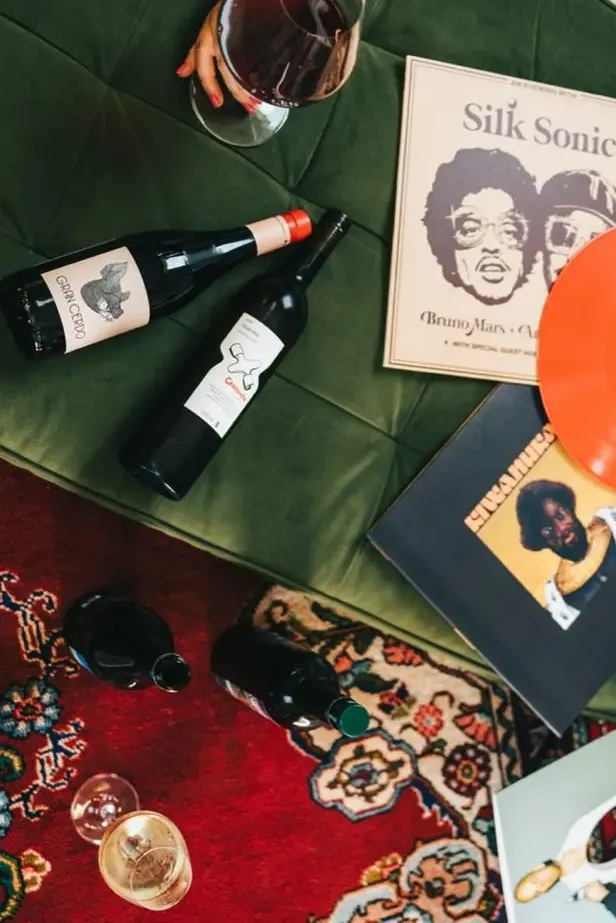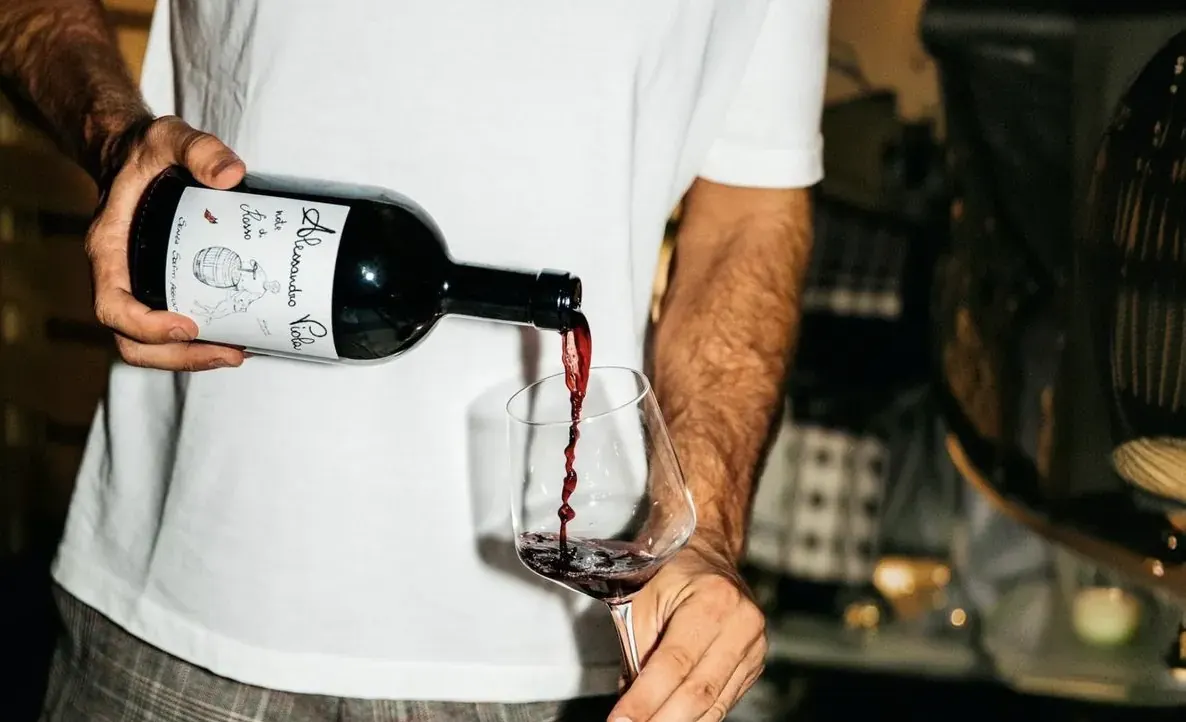
Cool, dark, on its side. That is the whole rule for storing wine at home, and the floor of a closet or a low cabinet away from the stove will do the job for almost any bottle you plan to drink in the next year or two. You do not need a cellar, a gadget or a humidity meter. You need a spot that stays at roughly the same temperature, never sees direct sun and does not shake.
Most everyday wine is made to be drunk within a couple of years of when you buy it, so this is a low-stakes problem. Below is what each of those three words actually means, where to find that spot in a normal apartment, why the kitchen fridge is only a short-term answer, and when it is worth paying for a small wine fridge.
cool and steady matters more than cold
Wine ages faster when it is warm. Heat speeds up the slow chemical changes inside the bottle, and a real hot spell can leave a wine tasting flat, cooked or like stewed fruit. The ideal storage temperature is roughly 50 to 60 F, which is what a proper cellar gives you. Here is the honest part, though: a steady 65 to 70 F is fine for bottles you will drink within a year or two. Normal room temperature is not the enemy.
Swings are the enemy. A spot that sits at 65 F in the morning and 80 F in the afternoon is worse than one that stays at 70 F all day, because the wine expands and contracts with every swing and slowly works the cork loose. So the real goal is not cold. It is steady, and never hot. A few places fail that test in almost every home:
- The top of the fridge or the cabinet beside it (the compressor throws off heat and vibration)
- Anywhere near the oven, stove, dishwasher or a radiator
- A wall or shelf that gets direct afternoon sun
- The car, even for one warm afternoon
dark, because light quietly damages wine
Sunlight and strong fluorescent light both harm wine. UV light breaks down compounds in the bottle and can leave a wine smelling faintly of wet wool, cooked cabbage or struck matches. White and sparkling wines are the most sensitive, which is one reason so many of them come in dark green or brown glass, but no bottle is immune.
The fix is easy: keep bottles out of the light. A wine rack on a windowsill looks lovely in photos and is one of the worst spots in the house. A closet, a cabinet with a door, or the box the wine came in, tucked into a dim corner, all work. If you like having wine on display, put the rack on an interior wall that never gets direct sun, and drink those bottles sooner rather than later.
on its side, if there is a cork
Lay cork-sealed bottles down. When wine touches the cork, the cork stays damp and swollen, which keeps a tight seal. A cork that dries out shrinks, lets air in, and the wine slowly oxidizes (goes dull and flat, the way a cut apple turns brown). Horizontal storage also lets you stack bottles, which saves space in a small place.
Screw caps do not care. A screw-cap bottle can stand up, lie down or lean in a corner. Sparkling wine with a cork is also fine standing up, because the pressure inside keeps the cork moist. When in doubt, lying down never hurts.
Humidity is the quiet partner here. Very dry air dries corks from the outside. A normal apartment is usually humid enough, so do not buy a humidifier for your wine. Just avoid the driest spots, which brings us to the kitchen fridge in a moment.
where to put wine in a normal apartment
You are looking for the most boring spot in your home: no sun, no heat source, no vibration, and a temperature that barely changes. In most apartments that means one of these:
- The floor of a closet (cool air sinks, so low beats high)
- Under the stairs, if you have them
- A low kitchen cabinet, as long as it is not next to the stove, oven or dishwasher
- A rack or bookshelf against an interior wall, away from windows and heating vents
- Under the bed, in a box, if you are short on space
A simple wooden rack is nice but not required. The cardboard case the wine came in, laid on its side, keeps bottles horizontal with zero effort. If you have a mixed stash, put the bottles you want to keep longest at the back or bottom and the ones for this month at the front. A quick sort now saves you from opening the good one on a random Tuesday.
Once the bottles are settled, the fun part is matching them to dinner. Our pizza and wine cheat sheet is a good place to start, because pizza is what most of us are actually eating.
why the fridge works for weeks, not months
The kitchen fridge is a fine short-term spot. An open bottle, or a white you want cold for the weekend, goes straight in. A few weeks in the fridge does no harm to a sealed bottle.
Months are a different story. Household fridges run around 35 to 40 F, colder than wine likes, which slows its development to a crawl and can mute the flavor. More important, fridge air is very dry, so the cork slowly dries and shrinks from the top. Add the constant hum of the compressor, which is exactly the vibration you are trying to avoid, plus a door that opens twenty times a day. None of this ruins a bottle in a week. Over several months it can leave the wine tired and the cork loose.
Rule of thumb: whites and sparkling you will drink within a month can live in the fridge. Anything you want to hold longer goes back to the closet, then into the fridge an hour or two before you pour.
when a small wine fridge is worth it
A wine fridge (sometimes called a wine cooler) holds bottles at a steady 55 F or so, with gentle humidity and very little vibration. It is a nice thing to own. It is not something most people need. It starts to make sense when:
- You keep more than a case (12 bottles) on hand most of the time
- You are holding bottles for years rather than months, like a wedding gift or a birth-year wine
- Your apartment runs hot in summer and you cannot find a spot that stays below the mid 70s
- You mostly buy sparkling or delicate whites, which suffer most from heat
If none of those describe you, keep the money and spend it on wine. A closet does the job.
do not overthink it
Most wine sold today is made to taste good now, not in ten years. Everyday bottles from a supermarket or wine shop are usually meant to be drunk within two or three years of the vintage on the label. Store them cool, dark and on their side, and they will taste the same as the day you bought them.
If a bottle did sit on a sunny counter for a week, open it and taste it anyway. Most of the time it is fine. If you want to know what you are checking for, our beginner's guide to tasting wine walks through it in a few minutes. And if you are not sure which bottles are even worth keeping around, the Green Glass taste quiz works out which styles you actually like, which makes the shelf a lot easier to shop.
questions people ask
Does wine need to be stored on its side?
Cork-sealed bottles should lie on their side so the cork stays moist and keeps a tight seal. Screw-cap bottles and sparkling wine are fine standing up.
What temperature should wine be stored at home?
Roughly 50 to 60 F is ideal, but a steady 65 to 70 F is fine for wine you will drink within a year or two. Avoid heat spikes and big daily swings.
Can I store wine in the refrigerator?
Yes, for a few weeks. Over months the fridge is too cold and dry and vibrates constantly, which can dry out the cork and dull the wine.
Is it OK to store wine on top of the fridge?
No. The top of the fridge is warm and vibrates, two of the worst things for wine. A closet floor or a low cabinet away from the stove is a much better spot.
How long does unopened wine last at home?
Most everyday wine is made to be drunk within two or three years of its vintage. Stored cool, dark and on its side, it will stay good for that long.