Expect sour cherry, dried herbs and a savory, slightly earthy edge, carried by bright acidity that makes your mouth water for the next bite of food. That is Chianti, a red wine from Tuscany made mostly from the Sangiovese grape, and it is one of the easiest and best-value things to order on an Italian wine list.
If you have only ever had it from a straw-covered bottle at a checkered-tablecloth place, you have met the nostalgic version. The wine itself has moved on, and the good stuff is worth knowing. Here is what it tastes like, what the label words mean, and what to eat with it.
the taste, in plain words
Pour a glass and the first thing you notice is red fruit, but not the sweet, jammy kind. Chianti tastes like cherries that are a little under-ripe, maybe with some cranberry or red plum alongside. Then come the savory notes: dried oregano or thyme, a bit of tea leaf, sometimes something like tomato leaf or dusty earth. If you grew up on big, soft California reds, it can seem lean at first sip.
The structure is where it gets interesting. Chianti has high acidity (the zing that makes your mouth water, like a squeeze of lemon) and medium body, meaning it feels lighter in the mouth than a Cabernet but heavier than a Pinot Noir. The tannin, that drying, grippy feeling on your gums you get from strong black tea, is noticeable but not heavy. Put those together and you get a wine that feels fresh rather than plush, and that tastes dramatically better with food than on its own.
A quick cheat sheet:
- Fruit: sour cherry, cranberry, red plum
- Savory: dried herbs, tea leaf, earth, sometimes a leathery note in older bottles
- Body: medium, not a heavyweight
- Acidity: high, bright, food-friendly
- Tannin: present, a little grippy, rarely harsh
If you want to practice picking those notes apart, how to taste wine walks through it without the ceremony.
sangiovese, the grape doing the work
Chianti is a place, not a grape. The grape is Sangiovese, which has to make up most of the blend by law, and it is responsible for nearly everything described above: the cherry, the acidity, the herbal streak. Small amounts of other grapes are allowed, and some producers use them to soften the edges, but a good Chianti should taste like Sangiovese first.
It helps to know this because Sangiovese shows up elsewhere in Tuscany under different names and price tags. Brunello di Montalcino and Vino Nobile di Montepulciano are both Sangiovese-based and usually cost more. Chianti is where you get the grape's personality at the friendliest price.
chianti vs chianti classico, and that black rooster
On a wine list you will see both "Chianti" and "Chianti Classico," and they are not the same thing.
Chianti is the broad region, a wide swath of central Tuscany. Wines labeled plain Chianti (sometimes with a sub-zone name attached) are usually lighter, simpler and cheaper. They are easy to drink, made for a weeknight pasta, and there is nothing wrong with that.
Chianti Classico is the historic heartland, the hilly stretch between Florence and Siena where the wine was first made famous. It has stricter rules on grapes and aging, and the wines tend to have more depth, more structure and a longer finish. The giveaway is a small black rooster (gallo nero in Italian) printed on the neck or label. If you see the rooster, you are looking at Classico.
The rule of thumb for ordering: plain Chianti for pizza night or a casual lunch, Classico when you want the wine to hold its own with a proper dinner.
riserva and gran selezione, decoded
Two more words you might meet on the label, both of which signal a step up.
Riserva means the wine has been aged longer before release, which is required by the rules for the category. Longer aging usually brings a rounder texture, softer tannins and more of those savory, leathery, dried-fruit notes layered over the cherry. A Chianti Classico Riserva is the sweet spot for a lot of people: still bright and food-friendly, but with more going on in the glass. Expect to pay more for it.
Gran Selezione is the top tier of Chianti Classico. It must come from a producer's own grapes, meets the strictest standards for aging and quality, and is meant to show off the best a single estate can do. These are special-occasion bottles, and the price reflects that. You will mostly see them on more serious wine lists.
If you are staring at all three on one page, here is the ladder from everyday to splurge:
- Chianti: light, simple, cheapest
- Chianti Classico: more depth, the black rooster, mid-price
- Chianti Classico Riserva: longer aging, rounder, pricier
- Chianti Classico Gran Selezione: top of the range, estate-grown, special-occasion money
about the straw bottle
The round, squat bottle wrapped in a straw basket is called a fiasco, and for a long stretch it was how Chianti traveled the world. It is also why a lot of people still picture Chianti as a cheap table wine with a candle stuck in the empty.
Today the fiasco is mostly a nostalgia item. Nearly all Chianti, and essentially all Classico, comes in a standard Bordeaux-shaped bottle. If you spot a straw-wrapped one on a shelf, it is not automatically bad, but it is being sold on charm rather than what is inside. The rooster, not the basket, is the thing to look for.
what to eat with it
This is where Chianti earns its keep. That high acidity and moderate tannin are built for the Italian table, and it pairs with almost everything a trattoria menu throws at it.
- Tomato-based pasta: the wine's acidity matches the sauce's acidity, so neither one tastes sour next to the other
- Pizza: a plain Chianti is one of the best all-round pizza wines going (more on toppings in what wine goes with pizza)
- Grilled meats, sausages and anything with rosemary
- Bistecca alla fiorentina: the huge Tuscan T-bone, seared and sliced, is the classic match for Chianti Classico
- Aged pecorino and other hard, salty cheeses
- Salumi: prosciutto, salami and the rest of the cured meat board
The common thread is salt, fat and tomato. Chianti cuts through all three and resets your palate for the next bite. Where it struggles is with sweet or very spicy dishes, and it is not a wine to sip alone on the couch unless you like it lean.
ordering it without second-guessing
At a restaurant, Chianti is usually one of the better-value reds on an Italian list. Plain Chianti often sits near the bottom of the price range, Classico a notch above, and Riserva higher still. A Chianti Classico by the glass is one of the safest orders in the building if you are not sure what you want. For the general approach to a wine list, see how to order wine at a restaurant.
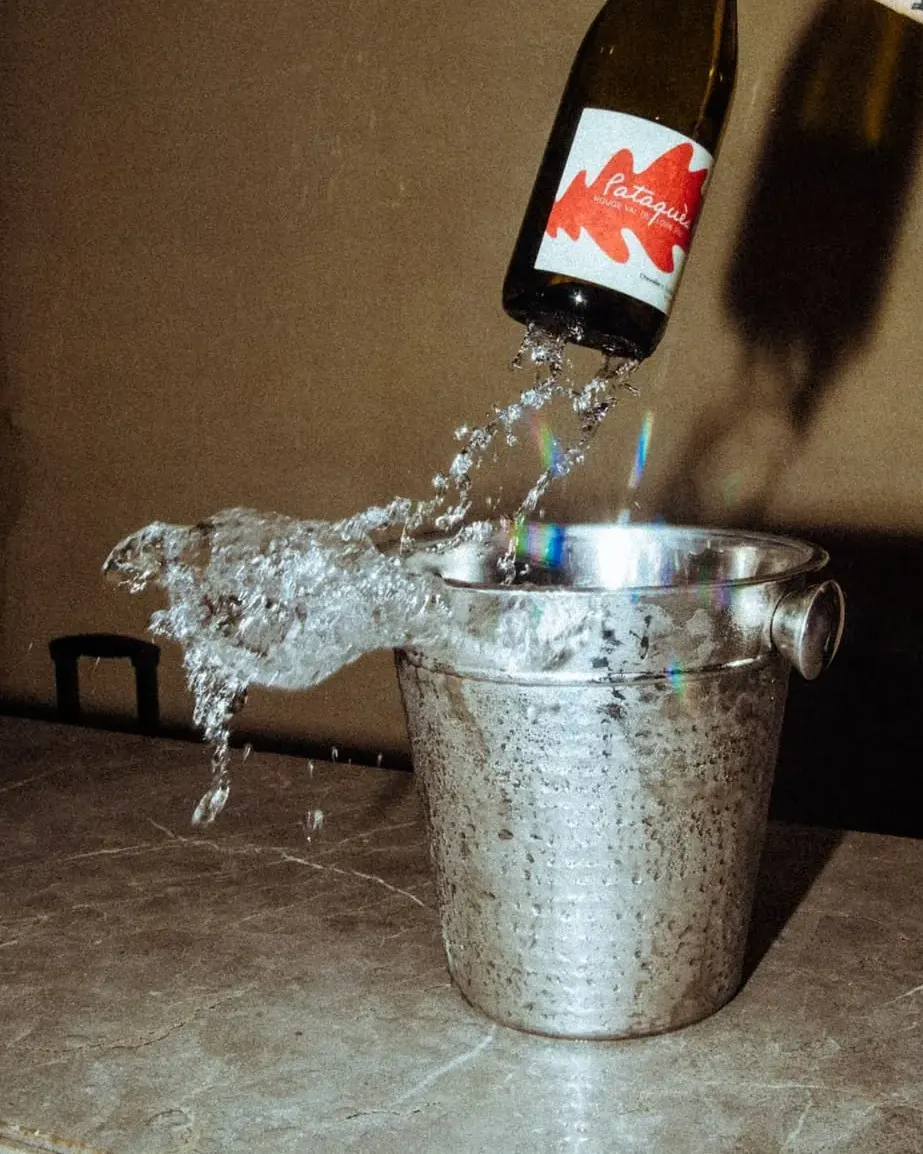
Serve it slightly cool, a few degrees below where most restaurants keep their reds. If the bottle arrives warm, ask for an ice bucket for ten minutes. The acidity shows better and the fruit tastes brighter. Pour it into a normal red wine glass, give it a minute, and it will open up.
If you like Chianti, you probably like wines with bright acidity and savory flavor more than big, soft, oaky ones. That is useful to know about yourself, and it is exactly the kind of thing Green Glass works out when you find your wine type.
questions people ask
What does Chianti taste like?
Chianti tastes of sour cherry and dried herbs with a savory, earthy edge, high acidity, medium body and noticeable but not heavy tannin. It is a fresh, food-friendly red rather than a big, jammy one.
Is Chianti sweet or dry?
Chianti is a dry red wine with no noticeable sweetness. Its bright acidity and tart cherry flavor can make it taste sharper than softer reds, but it is not sweet.
What is the difference between Chianti and Chianti Classico?
Chianti is the broad Tuscan region, while Chianti Classico is the historic central zone with stricter rules and a black rooster seal on the bottle. Classico wines are usually deeper, more structured and a bit more expensive.
What does Riserva mean on a Chianti label?
Riserva means the wine was aged longer before release than a standard Chianti, which usually gives it a rounder texture and more savory, developed flavors. Gran Selezione is a further step up, the top tier of Chianti Classico.
What food goes with Chianti?
Chianti pairs best with tomato-based pasta, pizza, grilled meats, bistecca alla fiorentina, aged pecorino and salumi. Its acidity cuts through salt, fat and tomato, which is why it works so well on an Italian menu.